Modern HR Practices That Improve Employee Engagement and Retention
Employees expect more from their workplaces than a regular salary and a stable job. They want opportunities to learn, supportive managers, fair recognition, fle
By G&S Consulting · 24 Nov 2026 · 6 min read
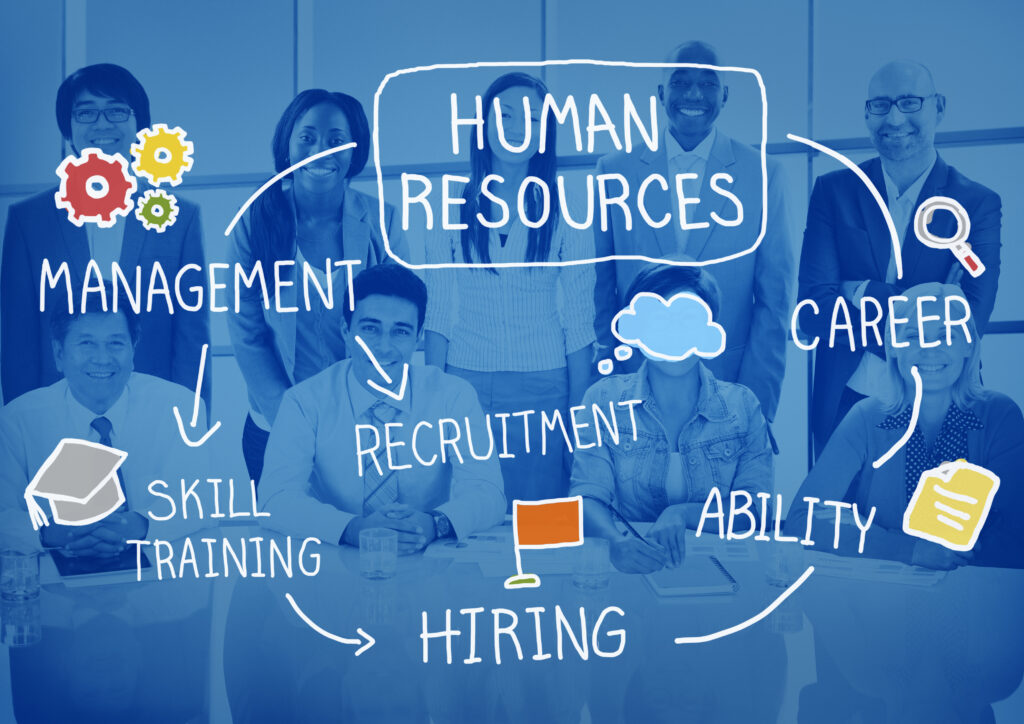
Employees expect more from their workplaces than a regular salary and a stable job. They want opportunities to learn, supportive managers, fair recognition, flexibility, and a clear path for career growth. For organizations, meeting these expectations requires a thoughtful approach to people management.
Traditional HR functions such as payroll, attendance, and recruitment are still important, but they are no longer enough on their own. Businesses need approaches that improve the everyday employee experience while supporting organizational goals. This is where modern HR approaches can make a difference.
Why Organizations Need to Rethink HR
Workforce expectations have changed. Employees are more conscious of work-life balance, professional development, workplace culture, and management practices. Companies that overlook these expectations may struggle with disengagement, frequent resignations, and difficulty attracting experienced professionals.
A regular review of existing hr practices can help organizations identify areas that need attention. For example, frequent employee exits may point to limited career opportunities, unclear responsibilities, or inconsistent management rather than compensation alone.
Understanding these issues allows HR teams to address the actual causes instead of relying on temporary solutions.
1. Make Employee Onboarding More Meaningful
An employee's experience begins well before their first performance review. The initial weeks influence how comfortably a new hire settles into the organization.
A structured onboarding process should go beyond document collection and formal introductions. Employees need to understand their responsibilities, reporting structure, team expectations, and available resources.
A practical onboarding approach includes:
Introducing new employees to their teams and managers.
Providing role-specific training.
Assigning a colleague or mentor for initial guidance.
Conducting regular check-ins during the first few months.
Collecting feedback about the onboarding experience.
Even a simple human resource practice, such as assigning a mentor to every new employee, can make the transition easier.
2. Encourage Regular Feedback
Annual performance reviews often leave employees waiting too long to understand how they are performing. Regular conversations help managers identify problems early and recognize good work when it happens.
Organizations can introduce monthly check-ins, quarterly performance discussions, and clear individual objectives.
Feedback should be a two-way process. Managers should explain expectations while giving employees an opportunity to discuss workload, challenges, and development needs.
Effective hr best practices encourage open communication rather than limiting discussions to formal appraisal periods.
3. Provide Learning and Career Development Opportunities
Employees are more likely to remain engaged when they can see opportunities for professional growth. Training should therefore be connected to both individual career interests and the organization's future skill requirements.
Companies can introduce:
Technical and functional training.
Leadership development programs.
Cross-functional learning opportunities.
Mentoring and coaching.
Support for professional certifications.
These initiatives are particularly useful in industries where technologies and job responsibilities change frequently.
Organizations implementing human resource practices should also evaluate whether employees can move into new roles internally before looking outside for talent.
4. Introduce Flexible Working Arrangements
Work flexibility can influence how employees view their jobs and workplace. Depending on operational requirements, organizations can consider hybrid schedules, flexible working hours, remote work options, or staggered shifts.
However, flexibility should come with clear expectations.
Managers need to establish communication guidelines, performance measures, and availability requirements. Employees should understand what is expected without feeling that they must remain constantly available outside working hours.
For many organizations, modern hr is about finding a balance between business requirements and employee needs rather than introducing flexibility without considering operational realities.
5. Recognize Contributions Consistently
Recognition does not always require expensive rewards or complicated incentive programs. Employees also value timely appreciation for solving problems, supporting colleagues, meeting deadlines, and taking responsibility.
Businesses can introduce peer recognition, team appreciation sessions, milestone celebrations, and performance-based rewards.
The important factor is consistency. Recognition should be fair, transparent, and connected to meaningful contributions.
A well-designed recognition framework also helps reinforce the behaviours that organizations want to encourage.
6. Use HR Data to Understand Employee Concerns
Employee feedback and workforce data can help HR teams make better decisions.
Some useful indicators include:
Employee turnover by department.
New-hire retention.
Absenteeism patterns.
Training participation.
Performance review outcomes.
Employee engagement survey responses.
For instance, if one department consistently experiences higher turnover, HR can investigate management practices, workload distribution, compensation, and opportunities for growth.
A practical set of human resources best practices uses these findings to improve workplace conditions rather than collecting data without taking action.
7. Adapt HR Policies to the Indian Workplace
Organizations operating in India often manage employees across different locations, industries, and workforce categories. Their HR frameworks need to reflect business requirements while accounting for applicable employment regulations and workplace expectations.
Human resource practices in india should address areas such as leave management, working hours, compensation structures, workplace safety, employee documentation, and statutory compliance.
Companies should review their policies periodically to ensure they remain relevant and are communicated consistently.
Clear policies also help managers handle employee concerns more fairly and reduce confusion across departments.
8. Support Employee Well-Being
Employee well-being should be part of everyday management rather than an occasional workplace campaign.
Excessive workloads, unclear responsibilities, poor communication, and limited managerial support can affect employee morale.
Organizations can take practical steps by reviewing workload distribution, encouraging employees to use their leave, providing access to support resources, and training managers to recognize signs of burnout.
The best hrm practices recognize that employee well-being and business performance are connected. A healthy working environment helps people perform their responsibilities more effectively over time.
9. Build a Clear HR Management Framework
Individual initiatives are useful, but they work better when supported by consistent policies and processes.
Good hr management practices should establish clear responsibilities for recruitment, onboarding, performance management, employee development, grievance handling, and separation.
Organizations should document these processes so that employees receive consistent treatment across teams.
A coordinated approach also reduces dependence on individual managers and makes HR operations easier to review as the business grows.
10. Review and Improve HR Initiatives Regularly
No single set of policies will work equally well for every organization. Employee expectations, business priorities, and workforce requirements continue to change.
Companies should periodically evaluate their people initiatives through employee surveys, manager feedback, workforce reports, and policy reviews.
There is no universal checklist of modern hr practices that every business should adopt. Organizations should select initiatives based on their workforce challenges, available resources, and long-term objectives.
Conclusion
Improving employee engagement and retention requires more than introducing new HR policies. It involves understanding employee expectations, supporting professional development, encouraging communication, and creating a workplace where people can contribute effectively.
Businesses that invest in practical people management approaches are better positioned to develop committed teams and maintain a positive working environment.
The focus should be on making gradual improvements, measuring their impact, and adjusting policies as workforce needs change.
For organizations looking to improve their HR framework, employee engagement, and workforce management, G&S Consulting provides tailored HR solutions that help businesses develop effective people processes and support sustainable organizational growth.
Need help with this?
Talk to our team for free guidance on your next step.
Send us your query and we'll get back to you quickly — or chat with us on WhatsApp.


