Stock Market Holidays, Trading Calendar, Exchange Closures, and Important Dates
When we talk about investing in the stock market, timing is everything. Traders and investors often look for crucial dates, especially stock market holidays. Th
By Contributor · 25 Nov 2026 · 5 min read
When we talk about investing in the stock market, timing is everything. Traders and investors often look for crucial dates, especially stock market holidays. These holidays can impact your trading strategies, your emotional balance, and, most importantly, your wallet. So, let’s navigate this exciting yet sometimes confusing landscape of stock market holidays along with some insights on when to keep your eyes peeled and when it's smart to take a step back.
What Are Stock Market Holidays?
Stock market holidays are the days when the stock exchanges close for trading. These can be national holidays or specific days set by stock exchanges. It’s essential to keep these dates in mind because they can impact the liquidity and volatility of the market. Usually, trading stops on holidays, and this can lead to shifts in stock prices when the market reopens.
The Importance of a Trading Calendar
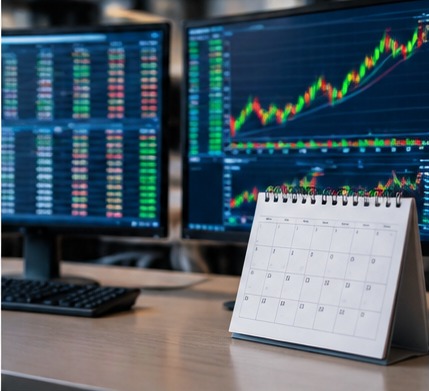
Having a trading calendar is akin to having a roadmap for a long journey. If you don’t know where you’re going, it’s easy to get lost. A well-maintained trading calendar includes all stock market holidays and significant events that could affect trading.
In many countries, public holidays like Independence Day or Christmas can lead to longer market closures, while some calendars even note the last trading day before a holiday. Knowing these dates allows traders to devise better strategies, plan for pullbacks, and adapt their trading based on upcoming schedules.
Major Holidays to Note
Many stock exchanges worldwide have their unique stock market holidays. Here’s a brief overview of some crucial ones:
New Year’s Day: Almost every stock exchange is closed on January 1st. It marks the start of the year, and traders often use this day to reflect on their past year’s performance.
Independence Day (USA): Even in the land of opportunity, traders get a break on the 4th of July. If it falls on a weekend, the closure may shift to the nearest weekday.
Thanksgiving (USA): A holiday combo! The market closes on Thanksgiving Day and opens early on Black Friday.
Christmas: Trading halts on December 25th, and sometimes even on December 24th (Christmas Eve), depending on the day of the week.
Holidays in Other Countries: If you're trading in international markets, don't forget holidays like Diwali in India or Golden Week in Japan.
Each country has its stock market holidays, and these can differ by exchanges. Always check the trading calendar to stay updated.
How Holidays Affect the Market
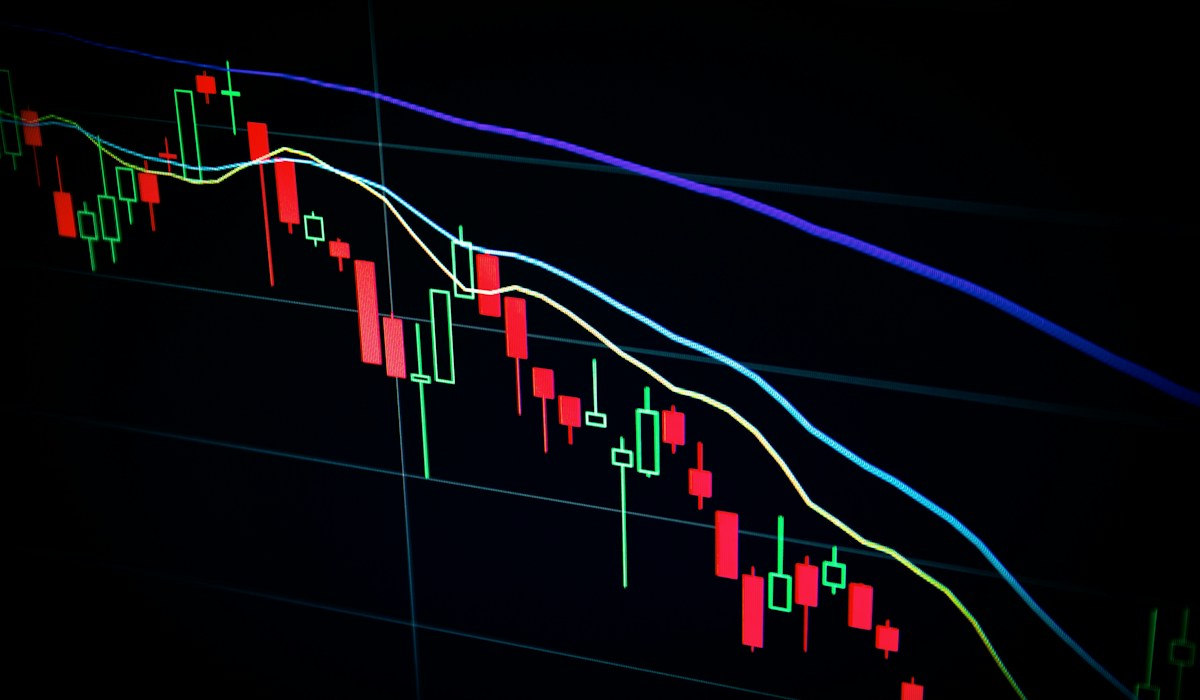
Holidays can sometimes lead to what traders call a “pullback.” This happens when the market takes a step back, often due to lower trading volumes. During holiday seasons, many traders clock out for vacation, removing volatility and liquidity from the market.
This is where having a pullback trading strategy comes into play. Understanding how the market behaves around stock market holidays allows you to create a plan. When the market opens again, expect changes. Prices may fluctuate more than usual as traders respond to events that occurred while the markets were closed.
Building Your Pullback Trading Strategy
So, how do you build this pullback trading strategy? First, recognize that holidays are potent periods. Here are some steps:
Research Historical Data: Look back at how stocks behaved during past holidays. Did they pull back? Rebound? Understanding previous trends can guide your strategy.
Timing Your Trades: As holidays approach, monitor price movements. If you see a stock pulling back, consider if it’s due to seasonal trends. If it seems right, this could be a buying opportunity.
Set Clear Goals: With your research in hand, establish a target. Decide how much you're willing to risk and what your expected returns are.
Stay Flexible: The stock market is unpredictable, especially around stock market holidays. Be ready to adapt—your strategy is a plan, but the market might dictate changes.
Regular Review: After a holiday, sit down and assess your trades. What worked? What didn’t? Learning from your experience helps refine your strategy for future holidays.
Trading Best Practices During Holidays
Even the most seasoned traders are sensitive to the shifts that holidays can bring. Here are some best practices while navigating stock market holidays:
Stay Informed: Make it a practice to keep up-to-date with news and market reports. Being educated about market events will help you remain calm during uncertainties.
Keep Your Emotions in Check: Holidays can stir emotions—joy, pessimism, and everything in between. However, emotional decisions often lead to financial regret. Stick with your plan!
Diversify Your Portfolio: If you’re skittish about trading during holidays, consider diversifying your portfolio to balance out risks.
What Happens When Markets Reopen?
When markets reopen after a stock market holiday, expect a buzz. This is the time when traders rush back to their screens, potentially leading to price spikes or downturns.
Volume Spike: The first day back can see a significant volume of trades. Prepare for wild fluctuations; your strategy should account for this.
Review Any Major News: Before trading resumes, check for any news that happened during the holiday that could affect stock prices.
Stay Updated on Pre-Market Trends: Often, the after-hours trading can give clues about the direction of the market on reopening. Look for trends before jumping in.
Conclusion: Embrace the Journey
Navigating the stock market holidays isn't just about knowing when the exchanges close; it’s about understanding how these dates influence trading. Whether you're a newbie or a seasoned trader, integrating these holidays into your trading strategy can significantly benefit your decision-making process.
Having a solid understanding and being prepared with a pullback trading strategy enables you to plan effectively during holidays and beyond. So, stay informed, manage your emotions, and keep refining your strategies. After all, the stock market is a journey, and knowing the important stops along the way can lead you to successful investing!
Need help with this?
Talk to our team for free guidance on your next step.
Send us your query and we'll get back to you quickly — or chat with us on WhatsApp.